Is a Shampoo Bottle Camera Legal and Safe to Use?
A shampoo bottle camera is a smart and discreet way to monitor indoor spaces without changing the natural look of your environment. Designed to resemble an ordinary bathroom shampoo bottle, it blends seamlessly into everyday surroundings while providing reliable indoor video recording.
For users who prefer subtlety over visible cameras, this type of hidden indoor camera offers a practical alternative.
you can order in: https://www.spycamerabathroom.com/shampoo-bottle-spy-camera/
What is a shampoo bottle camera?
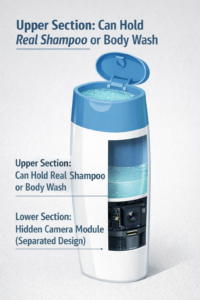
A shampoo bottle camera is a compact indoor security camera concealed inside a realistic shampoo bottle design.
Unlike traditional cameras that are mounted on walls or ceilings, this device is meant to sit naturally among everyday bathroom items. Its purpose is simple:
quiet, discreet indoor monitoring without drawing attention.
Most models feature:
A realistic shampoo bottle appearance
No visible indicator lights during recording
Compact internal camera hardware
Designed specifically for indoor environments
Why Are Shampoo Bottle Cameras Popular?
Shampoo bottle cameras are popular because they combine functionality with discretion.
Common reasons people choose them include:
Monitoring indoor areas while away from home
Keeping an eye on household activity
Enhancing home security without visible equipment
Maintaining a clean, natural-looking bathroom or room
For users who dislike obvious cameras, the disguised design is a major advantage.
Where Can a Shampoo Bottle Camera Be Used?
Shampoo bottle cameras are designed for private indoor spaces, such as:
Home bathrooms
Bedrooms or living areas
Apartments or private residences
Any indoor location where discreet placement is preferred
They are not outdoor cameras and are best used in controlled indoor environments.
Discreet Design That Blends In Naturally
The shampoo bottle design allows the camera to:
Look like a normal household product
Avoid drawing attention
Sit naturally on shelves, counters, or ledges
Some models even allow the upper section of the bottle to hold real shampoo, enhancing realism and helping the device blend in even better.
How Does a Shampoo Bottle Camera Work?
Most shampoo bottle cameras operate like standard indoor cameras:
Video is recorded to internal storage or accessed remotely
Setup is simple and does not require special tools
Charging and maintenance are straightforward
Designed for continuous or motion-based recording
Despite the hidden design, performance is comparable to other compact indoor security cameras.
Is a Shampoo Bottle Camera Easy to Use?
Yes. These cameras are designed for everyday users:
Simple setup process
Minimal maintenance
Quiet operation
Designed for normal indoor conditions
Once placed, they function like any other indoor monitoring device, with the added benefit of discretion.
Is a Shampoo Bottle Camera Safe for Indoor Use?
From a product and usage perspective, shampoo bottle cameras are safe when:
Used indoors as intended
Installed according to product instructions
Charged and maintained properly
They are designed for normal household environments and daily indoor use.
Tips for Best Results
To get the most out of a shampoo bottle camera:
Place it among other real bathroom items
Avoid unusual or forced positioning
Keep the lens area clean
Use it as part of an overall indoor security setup
Natural placement improves both performance and discretion.
Final Thoughts
A shampoo bottle camera is a practical and discreet indoor security solution for users who value subtle monitoring. Its realistic appearance, ease of use, and reliable performance make it a popular choice for private indoor environments.
If you are looking for an indoor camera that blends in naturally without visible equipment, a shampoo bottle camera offers a smart and unobtrusive option.
Leave a Reply